
Best Field Evidence Capture Tools for Investigators
Compare the best field evidence capture tools for investigators, with practical criteria for secure records, faster reports, and stronger case workflows.


Compare the best field evidence capture tools for investigators, with practical criteria for secure records, faster reports, and stronger case workflows.

Use this investigation intake guide to capture facts, protect confidentiality, scope work accurately, assign resources, and launch every case with control.

Role based permissions protect sensitive case data, align access with each job function, and keep investigation operations accountable as teams grow safely.

See an agency scaling example that shows how private investigation firms add case volume, field capacity, and revenue without losing control.
Security automation helps investigation and risk teams route alerts, preserve evidence, manage access, and respond faster without losing human judgment.

Learn how a process server database organizes service records, tracks attempts, manages assignments, and supports clearer workflows for investigation teams.

Secure investigator communications protect case facts, preserve accountability, and keep field teams, clients, and evidence records aligned on each case.

Learn how to coordinate remote surveillance, alerts, activity logs, evidence review, and team handoffs with a practical tool selection checklist.

Learn what makes evidence admissible, from relevance and authentication to chain of custody, and build case files that withstand legal scrutiny in court.

Learn how to reduce overdue client invoices with clear case billing, timely reports, firm follow-up, and workflows built for investigation agencies today.

Build a reliable mobile evidence capture workflow for field investigations, from documenting the scene and preserving metadata to secure transfer and review.

The future of investigation technology will connect fieldwork, evidence, AI, and case operations – with stronger controls for security and client trust.

Case software versus CRM: learn which system protects investigative records, coordinates field work, supports billing, and helps agencies scale securely.

Learn how investigators organize eDiscovery collection, document handling, search, access, and counsel handoffs—and when specialized tools are needed.

Learn how to dispatch field investigators with clear assignments, live visibility, secure records, and workflows for deadlines and evidence integrity.

Learn how to organize private investigator documents with clear naming, access controls, version tracking, retention rules, and secure client delivery.

Learn which case management features help investigative teams organize intake, evidence, interviews, reports, permissions, and collaboration.

Organize investigator contact histories by case, person, and action to preserve context, speed follow-up, and maintain defensible case records for teams.

Explore business tools for investigators across case management, scheduling, billing, reporting, marketing, and integrations to grow a more efficient firm.

Evaluate a case management app for investigation firms, with practical guidance on mobile updates, evidence, assignments, billing, and client communication.

Use this evidence management checklist to protect chain of custody, secure case files, and prepare clear, defensible reports for clients and counsel alike.

Compare investigation agency software by workflow fit, mobile work, integrations, security, and measurable outcomes before choosing a platform for your PI firm.
Evidence retention policies help investigation teams protect case integrity, meet obligations, control access, and retrieve records when they matter most.

Learn how to automate case reports with structured workflows, field updates, evidence controls, and review steps that protect accuracy and client trust.

See how cloud-based investigation software helps PI firms organize case access, collaboration, security checks, mobile work, and reporting.

Compare open source investigation case management software with supported platforms by licensing, hosting, security, maintenance, integrations, and total cost.

Compare private investigator search tools by source quality, repeatability, privacy, and case documentation, then connect research to firm workflows.

Learn how claims investigation software organizes intake, evidence, interviews, reporting, and client communication for insurance investigation teams.

Learn how customizable investigation software can fit case types, staffing, reporting, integrations, permissions, and billing without unnecessary complexity.

Compare the best investigation management platforms by case workflow, security, reporting, mobile use, billing, and support for your agency needs today.

Learn how case management software integrations connect investigation workflows, protect data ownership, and support billing, documents, email, and reporting.

Learn how investigator capacity planning software helps firms balance caseloads, assignments, travel, deadlines, availability, service quality, and billing.

Investigator report templates turn field notes into defensible, client-ready findings. Learn what to include, standardize, and protect in every case file.

Use this investigation case management implementation plan to align stakeholders, map workflows, migrate data, train teams, and measure adoption.
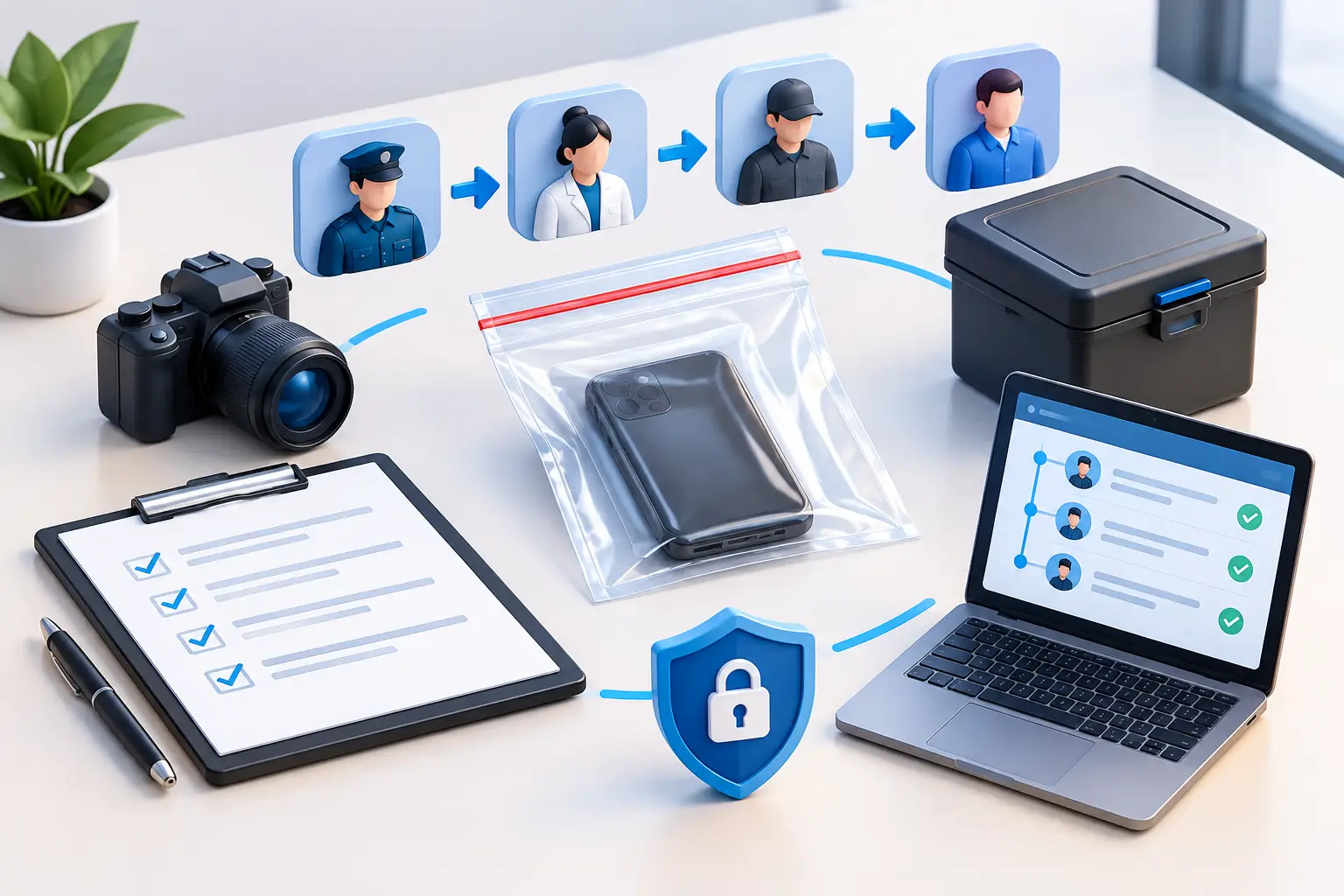
Learn how to document evidence custody with clear logs, transfer records, secure storage, and audit-ready practices for investigative teams in the field.

See digital forensics case management. Organize evidence, access, custody, review, and reporting while keeping forensic analysis with specialists.

Risk intelligence turns scattered signals into defensible decisions, helping security and investigation teams prioritize threats and act decisively now.

Compare security case management software features for intake, evidence, assignments, reporting, access control, collaboration, and integrations.

Learn how private investigator search engines support public-record research, source verification, privacy, and organized case documentation.

Compare legal case management software features for legal support and investigation teams, from intake and evidence to reporting, billing, and permissions.

Learn how private investigation firms can organize people, cases, documents, and activity history in one searchable investigation database.

Learn how to streamline investigation billing with connected time, expenses, approvals, and invoices that protect margins and improve client visibility.

See which case management features law enforcement teams need for assignments, reporting, audit trails, security, and interdepartmental coordination.
Your reputation is built on meticulous attention to detail and unwavering professionalism. That standard shouldn’t stop when the fieldwork ends. How you handle your finances—from tracking time to sending invoices—is a direct reflection of your firm’s credibility. A messy, error-prone billing process can undermine the trust you’ve worked so hard to build with clients. Adopting

Learn what litigation support software should handle for investigation teams, from intake and evidence control to deadlines, reports, and client updates.

AI investigations can speed case review and surface patterns, but reliable results depend on evidence control, human judgment, and clear agency workflows.

Learn how to track investigator locations with live GPS, clear permissions, and case-based workflows that protect privacy and improve field coordination.

Use this private investigation software comparison to assess case management, field coordination, billing, reporting, security, and long-term fit better.

Investigation software versus spreadsheets: compare security, case workflows, reporting, billing, and team visibility before your agency scales safely.

Build a case management workflow that keeps assignments, evidence, reports, billing, and client updates organized from intake through closeout with access.
